
CRM Article
What to look for in a CRM if you’ve never used one before?
SmallBizCRM Staff – September 17th, 2025
 If you’ve never used a CRM before, the idea of choosing one can feel overwhelming. You might be asking yourself, “Where do I even start?” Small businesses often know they need better organization, stronger customer relationships, and a smarter way to manage leads, but the sheer number of options can be intimidating. The good news is that finding the right CRM doesn’t have to be complicated if you know what to look for.
Start with simplicity, not complexity
One of the biggest mistakes first-time CRM users make is thinking that “more features” means “better value.” The truth is, extra features can often get in the way. If you’ve never worked with a CRM before, your priority should be ease of use. Look for a system that feels intuitive, where you can quickly add customer details, track interactions, and update records without needing hours of training. A CRM should feel like a helping hand, not another complicated tool that slows you down.
Think about your day-to-day workflow
Your CRM should support the way you already work, not force you to completely change your process. Consider the tasks you handle daily: following up with prospects, responding to customer questions, or scheduling meetings. A good first-time CRM will help you organize these activities in one place so that you’re not scrambling between emails, spreadsheets, and sticky notes.
 Prioritize clear organization
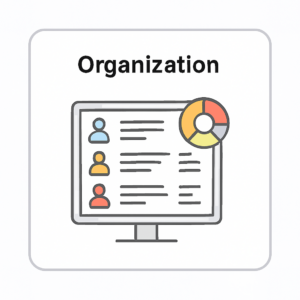
For beginners, the key benefit of a CRM is organization. Instead of scattered data, everything lives in a single, central system. When evaluating CRMs, check if the layout is simple to navigate, if customer histories are easy to view, and if it allows you to see what stage each contact is in. A cluttered or overly complex interface can create frustration, which is often why businesses give up on CRMs altogether.
Look for flexibility without confusion
While you don’t want too many advanced features at the start, you also don’t want a CRM that is too rigid. The best beginner-friendly systems give you flexibility to grow. For example, you might only need basic contact management now, but later you might want to track pipelines, send email updates, or manage small projects. Choose a CRM that allows you to start simple and expand gradually as your business evolves.
Don’t ignore support and training
Even the most intuitive systems come with a learning curve. A CRM provider that offers clear onboarding, helpful tutorials, or responsive support can make the transition much smoother. For first-time users, having someone to guide you through the basics can mean the difference between a tool that sticks and one you abandon after a few frustrating weeks.
Test before you commit
Finally, take advantage of free trials. Testing a CRM firsthand lets you see how it feels to use it in your business. Can you easily add a new contact? Does the dashboard make sense to you? Does it save you time compared to your current system? Trust your instincts here—if a CRM feels too complicated at the trial stage, it’s unlikely to become easier later.
Final thoughts
If you’ve never used a CRM before, the key is to start with simplicity. Choose a system that helps you stay organized, fits naturally into your workflow, and gives you the confidence to manage customer relationships without adding unnecessary complexity. With the right choice, your first CRM can become a powerful foundation for growth, helping you move from scattered information to a streamlined, professional approach that supports your business every day.