
CRM ARTICLE
16 MARCH 2023
Revolutionizing Communication: How a Cloud-Based Phone System Can Help Offset the 10% Drop in Face-to-Face Interactions
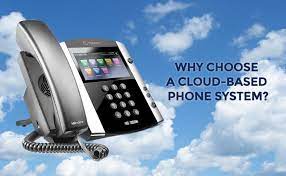 As technology continues to advance, communication methods are changing. In recent years, there has been a significant decline in face-to-face interactions, with people opting for other forms of communication. According to a study, there has been a 10% drop in face-to-face interactions over the past decade. This decline can be attributed to several factors, including an increase in remote work and globalization. However, businesses need to find ways to maintain excellent communication with clients and colleagues. One solution is switching to a cloud-based phone system. In this article, we will explore the benefits of a cloud-based phone system and how it can help offset the drop in face-to-face interactions.
What is a Cloud-Based Phone System?
A cloud-based phone system is a communication solution that uses the internet to connect calls rather than traditional phone lines. Instead of having a physical phone system, all communication is managed through the cloud. This means that businesses can access their phone system from anywhere, as long as they have an internet connection. Cloud-based phone systems offer several advantages over traditional phone systems. They are more flexible, scalable, and cost-effective.
Benefits of a Cloud-Based Phone System
There are several benefits to using a cloud-based phone system. First, they are more cost-effective than traditional phone systems. With a cloud-based phone system, businesses do not need to invest in expensive hardware or pay for maintenance costs. Additionally, cloud-based phone systems are scalable, meaning that businesses can easily add or remove lines as needed. This makes them an excellent choice for businesses that are growing or have fluctuating call volumes.
Another benefit of cloud-based phone systems is that they offer more flexibility. Businesses can access their phone system from anywhere, which is especially beneficial for remote teams. With a cloud-based phone system, employees can make and receive calls from their computer or mobile device, which means that they do not have to be in the office to stay connected. This flexibility can lead to increased productivity, as employees can work from anywhere.
Statistics on the Impact of Cloud-Based Phone Systems on Communication
Cloud-based phone systems have been shown to have a significant impact on communication within businesses. According to a study by Deloitte, companies that switch to a cloud-based phone system can see a 25% reduction in communication costs. Additionally, 70% of businesses that have switched to a cloud-based phone system report improved productivity due to the flexibility it offers.
Another study by Frost & Sullivan found that cloud-based phone systems can improve customer satisfaction. The study found that businesses that use cloud-based phone systems have an average customer satisfaction rating of 8.1/10, compared to 6.7/10 for businesses that use traditional phone systems. This shows that cloud-based phone systems can help businesses provide better customer service.
Switching to a Cloud-Based Phone System – Things to Consider
Switching to a cloud-based phone system requires careful planning and consideration. Before making the switch, businesses need to evaluate their current communication needs and determine what features they require from a phone system. It is important to choose a provider that can offer the necessary features and support.
Businesses also need to consider their internet connection. Cloud-based phone systems rely on a stable internet connection, so it is essential to ensure that the internet connection is reliable and can handle the call volume.
How a Cloud-Based Phone System Can Help Offset the 10% Drop in Face-to-Face Interactions
With the decline in face-to-face interactions, businesses need to find new ways to stay connected with clients and colleagues. A cloud-based phone system can help offset this decline by providing a reliable and flexible communication solution. With a cloud-based phone system, employees can make and receive calls from anywhere, which means that businesses can maintain excellent communication, even if face-to-face interactions are not possible.
Additionally, cloud-based phone systems offer several features that can help improve communication. For example, they often include video conferencing capabilities, which can help teams collaborate and stay connected. They also offer call forwarding and voicemail-to-email features, which can help ensure that no calls are missed.
Features of a Cloud-Based Phone System That Enable Better Communication
Cloud-based phone systems offer several features that can improve communication within businesses. One of the most significant advantages is that they are scalable. This means that businesses can easily add or remove lines as needed, making them an excellent choice for growing businesses. Additionally, cloud-based phone systems often include video conferencing capabilities, which can help teams collaborate and stay connected, even if they are not in the same location.
Another feature of cloud-based phone systems is call forwarding. With call forwarding, businesses can ensure that no calls are missed, even if employees are unavailable. Additionally, many cloud-based phone systems offer voicemail-to-email features, which can help employees stay organized and ensure that they never miss an important message.
Case Studies of Businesses that have Successfully Transitioned to Cloud-Based Phone Systems
Many businesses have successfully transitioned to cloud-based phone systems, and they have seen significant benefits as a result. For example, a law firm in California switched to a cloud-based phone system, and they saw a 50% reduction in their phone bill. Additionally, the firm reported improved productivity, as employees were able to make and receive calls from anywhere.
Another business that has seen success with a cloud-based phone system is a marketing agency in New York City. The agency was able to reduce their communication costs by 30% after switching to a cloud-based phone system. Additionally, the agency reported improved collaboration and productivity, as employees were able to make and receive calls from anywhere.
Choosing the Right Cloud-Based Phone System Provider
Choosing the right cloud-based phone system provider is essential for businesses that want to make the switch. It is important to choose a provider that offers the necessary features and support. Additionally, businesses should consider the provider’s reputation and reliability.
When evaluating cloud-based phone system providers, businesses should consider the following factors:
- Features: Does the provider offer the necessary features, such as video conferencing and call forwarding?
- Support: Does the provider offer reliable support?
- Reputation: What is the provider’s reputation within the industry?
- Reliability: Is the provider’s system reliable, and do they have a track record of uptime?
Conclusion: Future of Communication with Cloud-Based Phone Systems
As communication methods continue to evolve, businesses need to find new ways to stay connected with clients and colleagues. A cloud-based phone system can help offset the decline in face-to-face interactions by providing a reliable and flexible communication solution. With a cloud-based phone system, businesses can maintain excellent communication, even if face-to-face interactions are not possible. Additionally, cloud-based phone systems offer several features that can help improve communication and productivity within businesses. As more businesses make the switch to cloud-based phone systems, it is clear that this technology will play an essential role in the future of communication.